Detail and Lifestyle Shots: Why Listings Need Them
Elijah Allison · · 6 min read
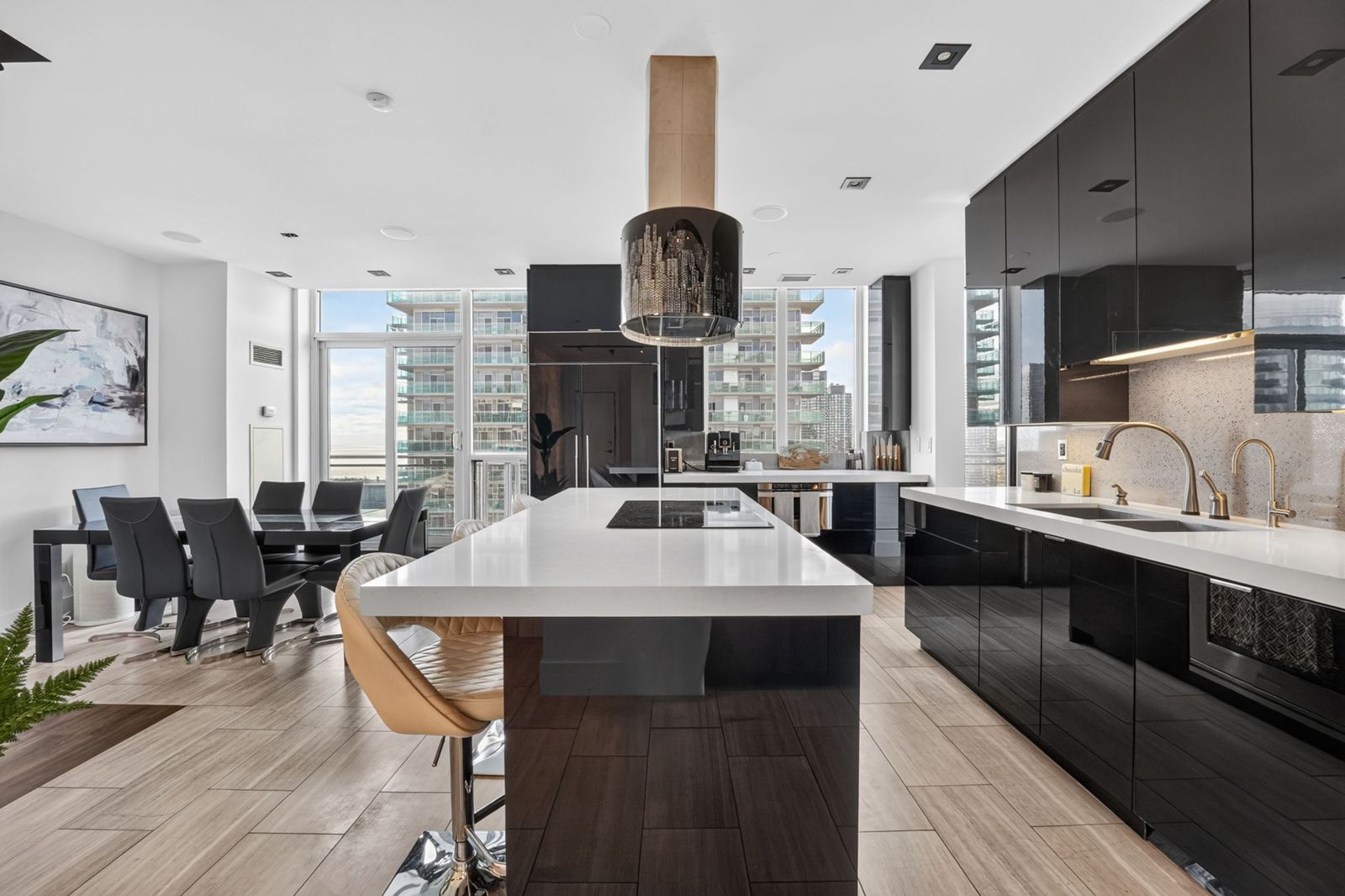
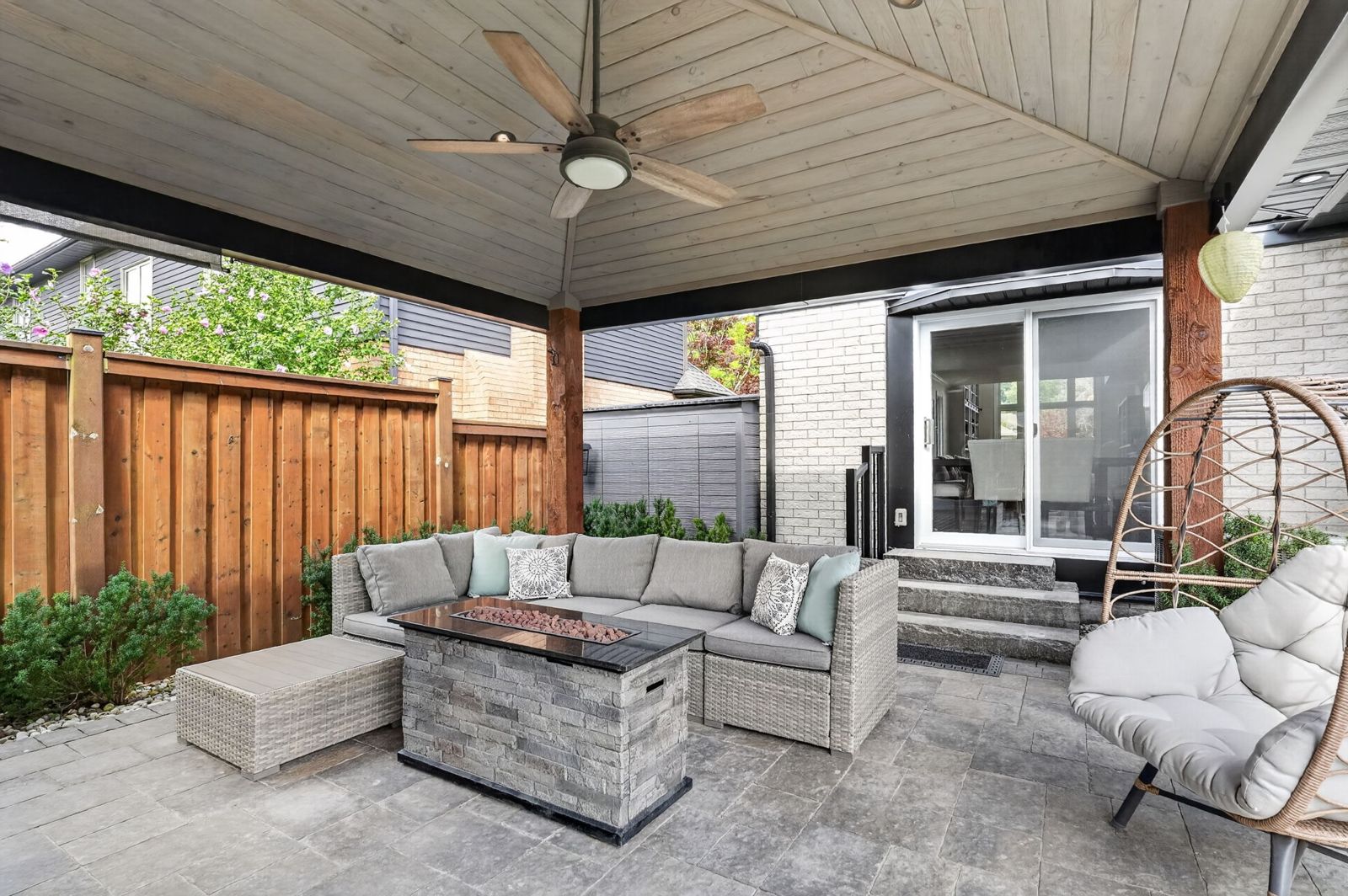
Detail and lifestyle shots are the listing photos that go beyond "here is the kitchen, here is the bedroom." They're the close-up of a quartz waterfall edge, the coffee nook by the window, the patio table set for dinner, the path down to the water. Wide room shots tell buyers what a home has. Detail and lifestyle shots tell them what it would feel like to live there. Most listings benefit from a handful of them, and some listings depend on them. Here's how we decide what to shoot, how sellers can help, and where these frames belong in the gallery.
Key takeaways
- Wide shots show layout and size, but they flatten the finishes and character buyers care about.
- Detail shots point at one feature and say it matters, while lifestyle shots show how a space gets used.
- Renovated, luxury, character, waterfront and condo listings get the most from them.
- Tell us the seller's top three features before the shoot so we can plan the frames and the light.
- Place each detail right after the room it belongs to, so the gallery reads like a walk through the house.
What can't a wide room shot show?
Wide-angle room shots are the backbone of every listing. They show size, layout and flow, and buyers need them first. But a wide shot gives everything in the frame the same weight. A custom tile backsplash, heated floors, solid brass hardware or a beautiful light fixture can disappear into the picture, especially once it's shrunk to fit a phone screen.
A detail shot fixes that. It points at one thing and says "this matters." On a renovated home, a few tight frames of the finishes help buyers understand where the money went, which counts when they're comparing it to a similar house down the street that hasn't been touched. On an older home, a close-up of original trim, a stained-glass transom or a restored fireplace shows the character that a wide shot flattens into background.
There's a practical side too. Buyers zoom. They pinch into photos to check the countertop material, the faucet, the condition of the floor. A clean, sharp detail frame answers those questions before they have to ask, and it signals that the seller is proud of the work, not hiding it.
How are lifestyle shots different from detail shots?
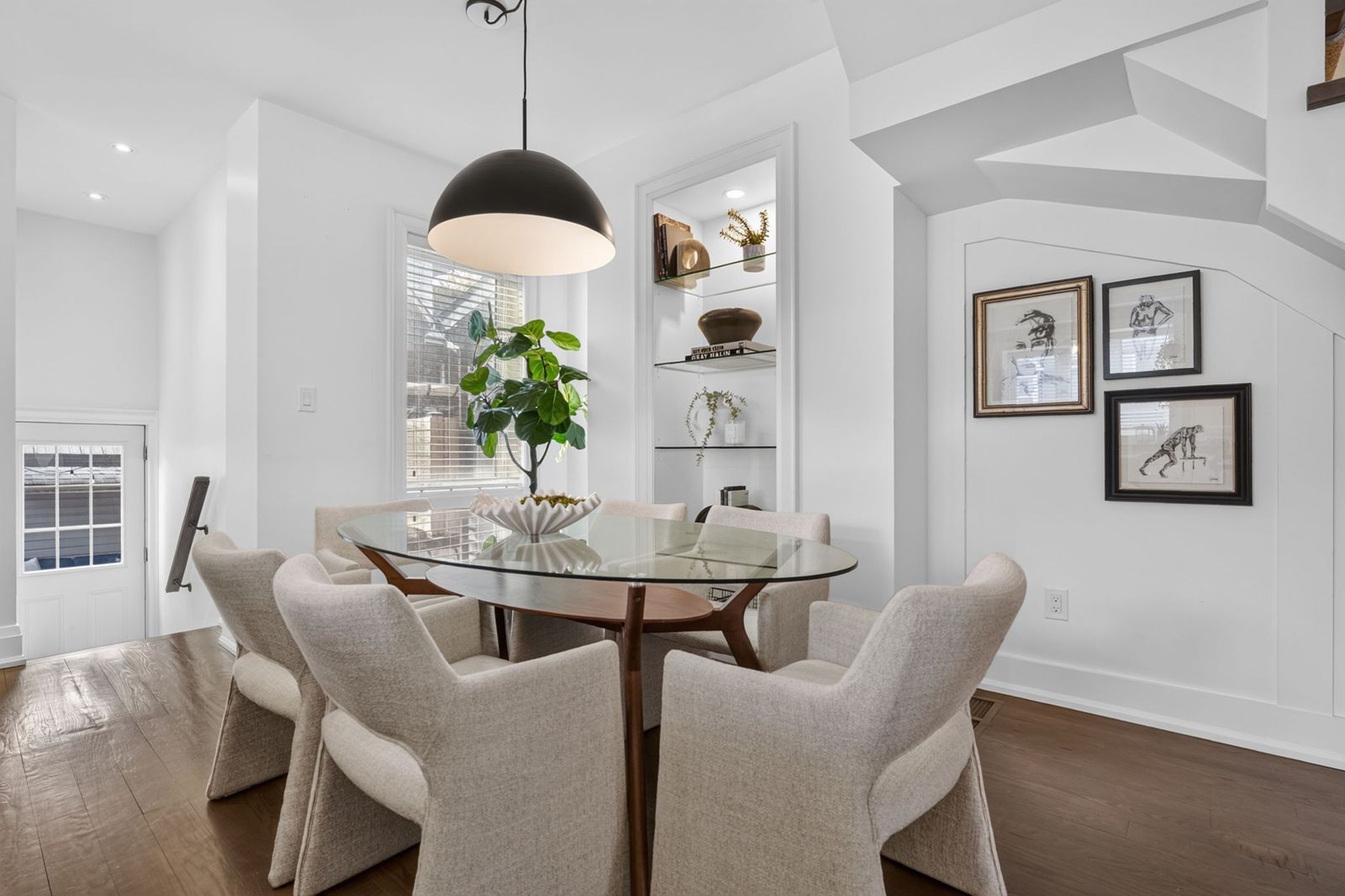
Detail shots are about things. Lifestyle shots are about moments. A patio with the table set for four. A reading chair by a window with good afternoon light. A bench by the back door with boots lined up under it. A kitchen island with a bowl of lemons and two stools pulled out like someone just got up.
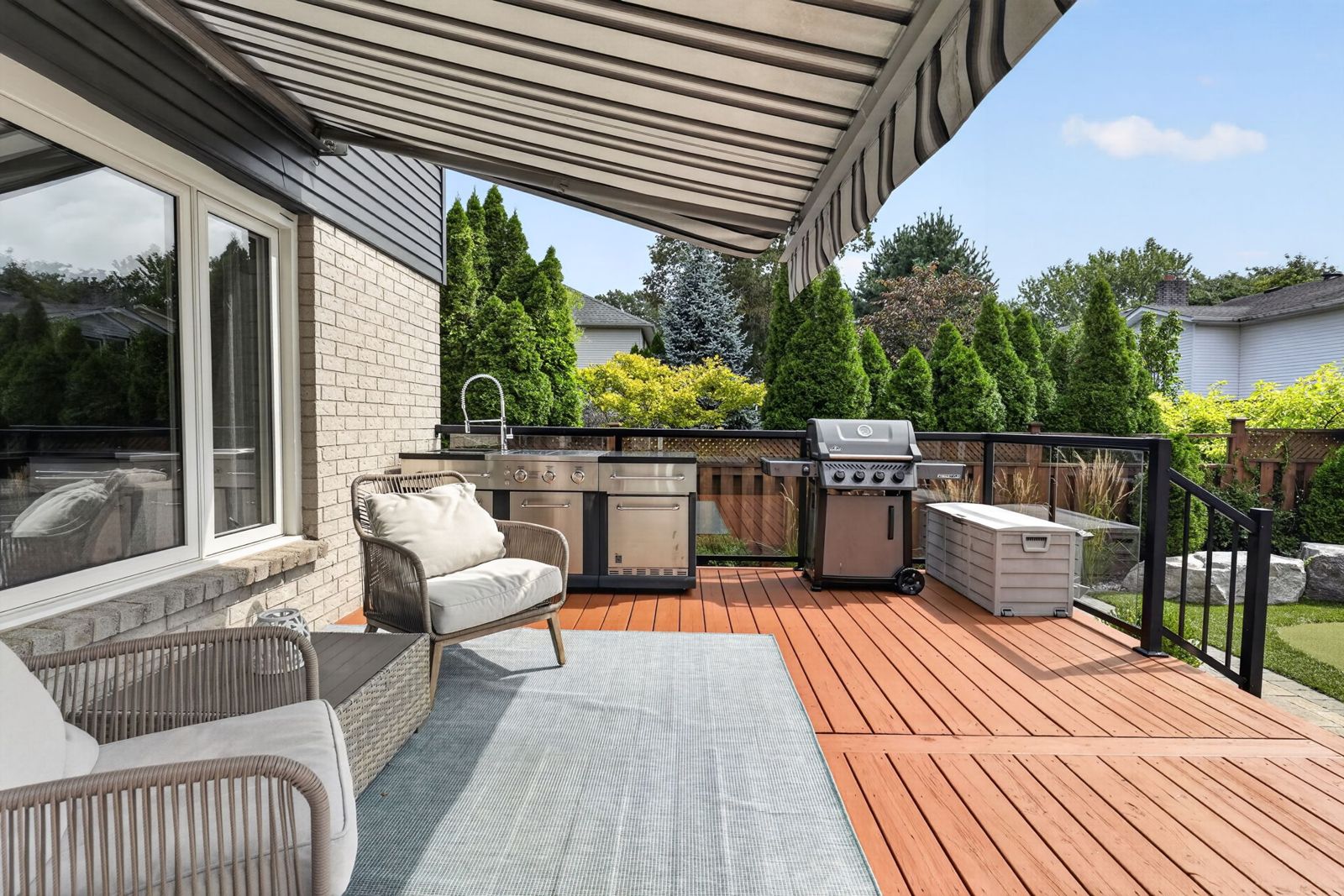
None of these frames show square footage, and that's the point. They give buyers a small story to step into. A buyer looking at a deck with an outdoor kitchen isn't just seeing a barbecue. They're picturing a Saturday evening with friends and the lights strung over the table. That pull is hard to get from a wide shot of a yard.
Lifestyle frames also earn their keep on social media. A carousel post or a listing reel that mixes room shots with a few warm, close moments feels less like a catalogue and more like a home. We build the same kind of frames into our video work for exactly that reason.
Which listings need detail and lifestyle shots most?
| Listing type | What's worth a close frame |
|---|---|
| Renovated or new build | Countertop edges, tile work, hardware, light fixtures, built-ins |
| Luxury home | Millwork, stone, wine storage, spa-style bathroom details |
| Character or century home | Original trim, stained glass, fireplace mantels, staircase details |
| Waterfront, cottage or rural | The dock, the fire pit, the garden, the view from the porch chair |
| Condo | Balcony view, upgraded fixtures, building amenities, the best window seat |
Buyers at the top of the market expect to see craftsmanship, not just square footage. On character homes, original details are what separate the house from newer builds nearby. And on condos, where every unit in the building shares a layout, the small things are often the only things that set one listing apart.
A simple starter home or a tenanted rental may only need two or three detail frames, and that's fine. On those listings we'd rather spend the time on clean, bright room shots that answer buyers' basic questions. Detail work should add to a listing, not pad it.
How do we decide what to shoot?
When we walk through a home, we're looking for two things: the features the seller is proudest of and the features buyers will ask about. Sometimes they're obvious, like a statement light over the dining table, a wine fridge or a built-in bar. Sometimes it's something a seller mentions in passing on the way out the door, like the morning light in the breakfast nook or the view of the orchard from the back porch.
The best way to make sure nothing gets missed is to tell us ahead of time. A quick note in the booking, or a text with the top three things that make the home special, lets us plan the frames. Sellers often know details that aren't obvious on a walkthrough: the heated floor in the ensuite, the cedar-lined closet, the tree they planted the year they moved in.
Light plays a big role too. A tight shot of a marble counter looks best with soft side light that brings out the texture, so we'll often time detail frames around where the sun sits in the room. Outdoor lifestyle shots can look even better at dusk, which is one reason agents pair them with twilight photography on homes with great patios and landscape lighting.
How can sellers set up good lifestyle moments?
Good lifestyle shots look natural, but they take a little setup. A few things sellers can have ready before we arrive:
- A simple table setting for the dining area or patio: plates, glasses, maybe a bottle of wine.
- Fresh flowers or a bowl of fruit for the kitchen island.
- A throw blanket and a book for a cozy corner or window seat.
- Outdoor cushions out, umbrella open and fire table ready to switch on.
- Clean, neutral towels in the bathrooms.
Keep it light. One or two props per frame is plenty, and anything personal (family photos, mail, prescriptions, kids' names on the wall) should still go away. Props should hint at a life, not tell the seller's whole story. For vacant homes, virtual staging can add warmth to the main rooms, and real detail shots of the finishes round out the set.
Where should detail shots go in the listing?
We usually suggest placing detail and lifestyle shots right after the room they belong to, so the gallery reads like a walk through the house: wide kitchen, then the island detail, then the coffee nook. Dropping all the details at the end of the gallery breaks that flow and makes them feel like leftovers.
A strong lifestyle image can also make a great second or third photo after the front exterior. If the backyard with the set table is the best thing about the house, there's no reason to make buyers scroll through thirty photos to find it. On the property website that comes with every package, these frames help the gallery feel complete. You can see how we sequence them across our work.
Common questions
How many detail shots should a listing have?
It depends on the home. A starter home might need two or three, while a renovated or luxury home can carry many more, each placed after the room it belongs to.
What should sellers tell the photographer before the shoot?
The three features they're proudest of and anything buyers always ask about. That lets the photographer plan the frames and the light instead of guessing on the day.
Should a vacant home have lifestyle shots?
Detail shots of the finishes still work well in a vacant home. For the main rooms, virtual staging can add the warmth that furniture and props would normally bring.
Can lifestyle shots be used on social media?
Yes. Close, warm frames mix well with room shots in carousel posts and reels, and they make a listing feel like a home rather than a catalogue.
Book a shoot
Every photo we deliver is edited and colour-corrected at no extra charge, and photos come back the next business day. Book at our booking page, live 24/7 with no account needed, or call or text 289-272-9503 and tell us the three features you want to show off. You can read more about our real estate photography service too.