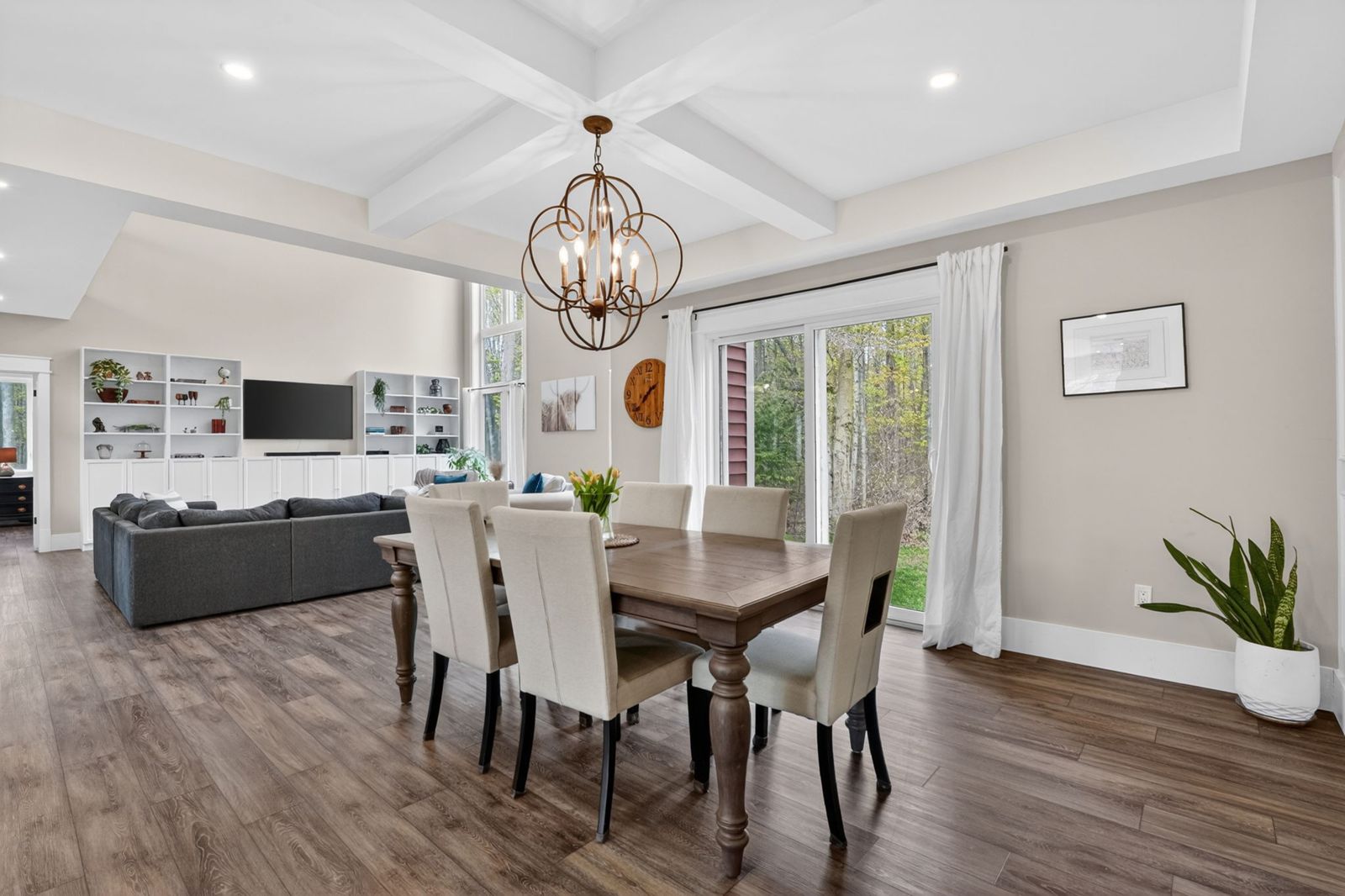
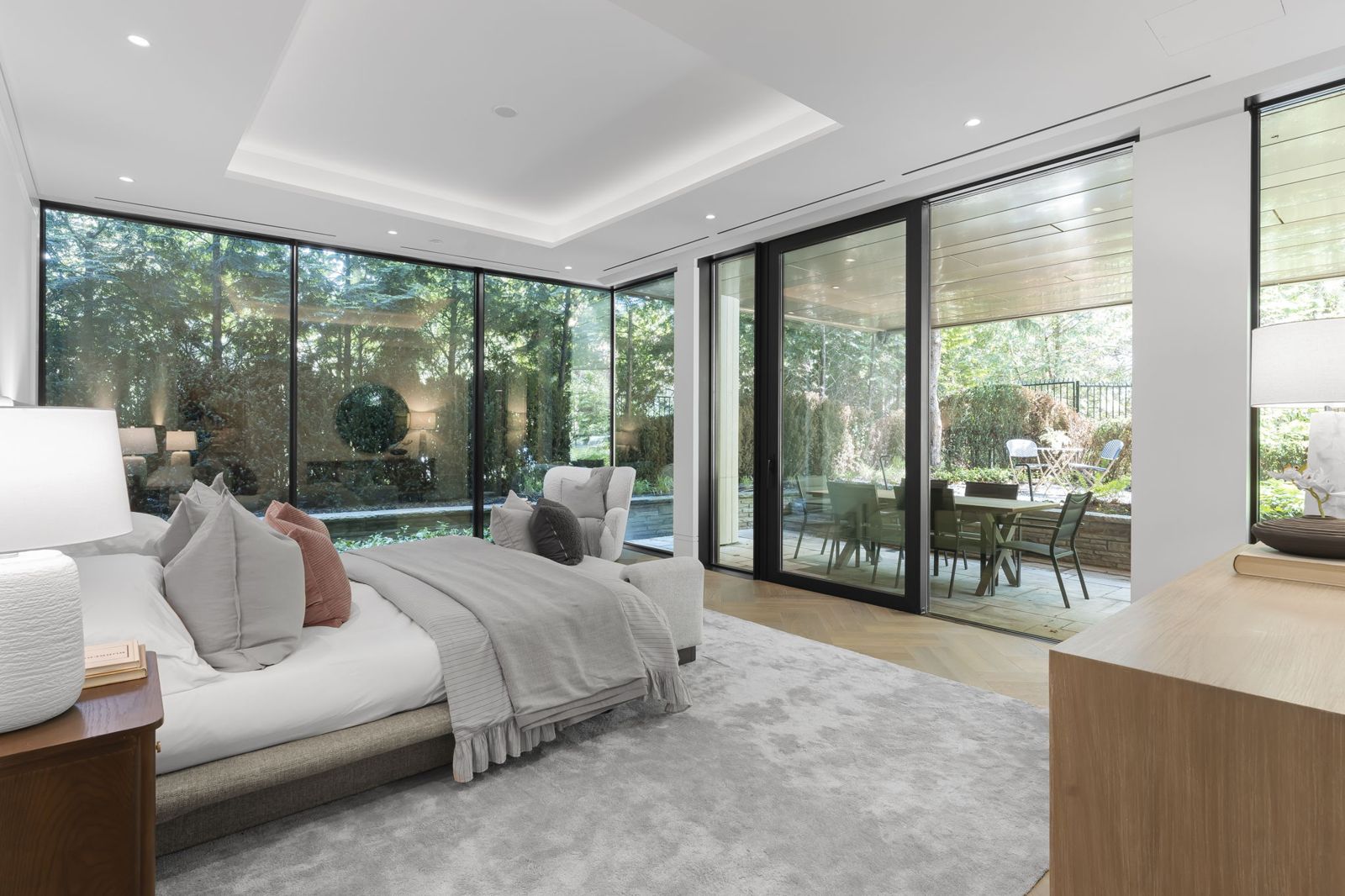
Virtual Staging vs Empty Rooms: What Buyers Actually See
Elijah Allison · · 7 min read
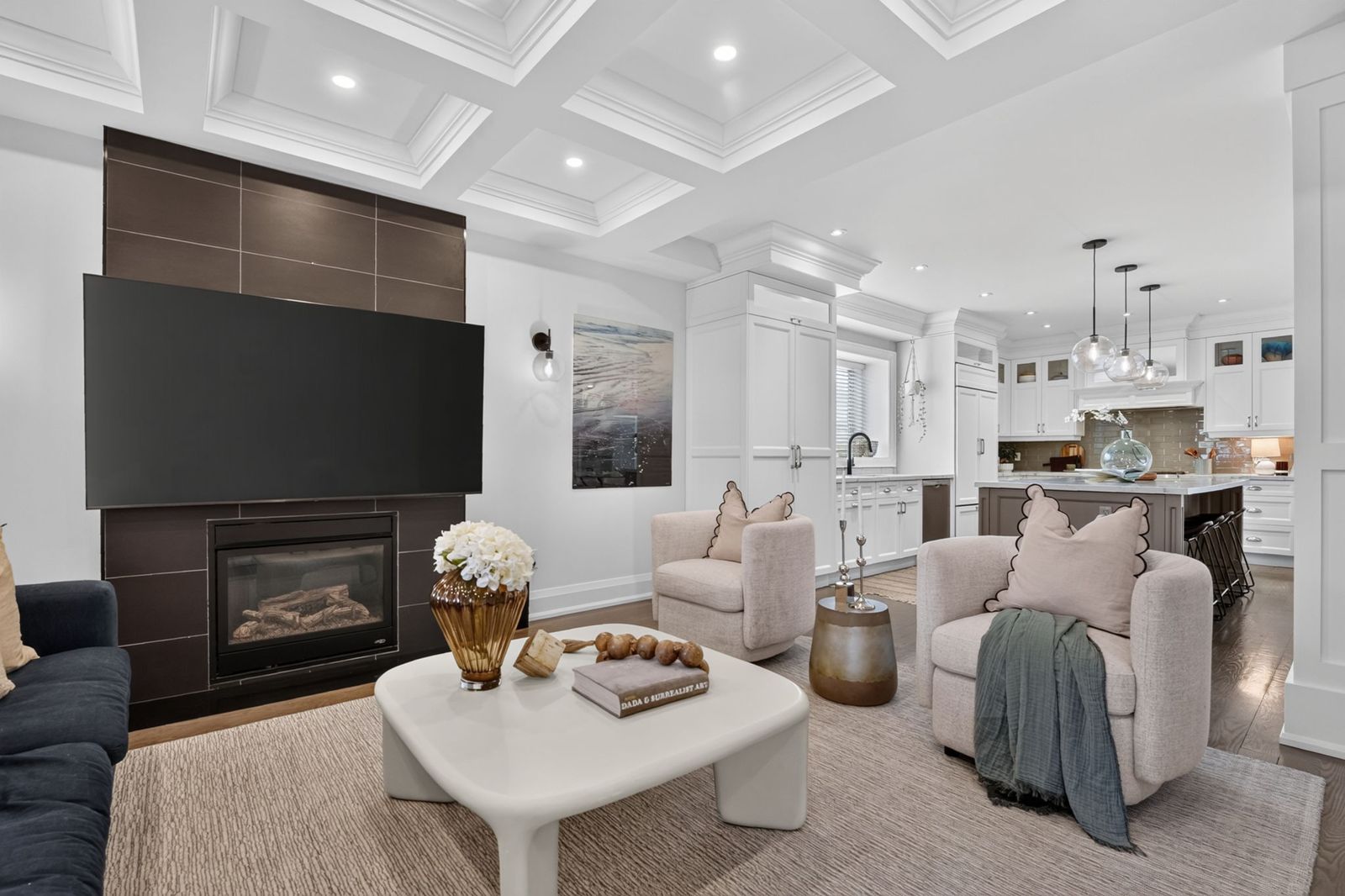
Virtual staging vs empty rooms comes down to one thing: what a buyer can understand from a photo on a phone screen. An empty room in person has scale, light and sound. An empty room in a listing photo is a floor, some walls and a window, and buyers have to guess at everything else. Virtual staging fills that gap by showing how the room can be used, at its real size, so buyers stop guessing and start picturing themselves there. Below we walk through what buyers actually take away from each version, room by room, and where staging helps a vacant listing most.
Key takeaways
- Empty rooms often look smaller and colder in photos because there's nothing in the frame to show scale.
- Virtual staging does the most work in living rooms, primary bedrooms, dining areas and flex rooms, where furniture answers the question "what fits here?"
- Good staging shows how a room can be used without changing what the room is, and every staged image we deliver is labelled as virtually staged.
- The base photography matters as much as the staging, so we shoot vacant homes with furniture placement in mind.
- Staged images come back within 24 hours of you picking the angles, and furniture removal is included if a room isn't empty.
Why do empty rooms look smaller in listing photos?
In person, an empty room gives you plenty of clues. You can feel the ceiling height, watch the light move across the floor, hear your footsteps and pace out the width. A photo strips all of that away. What's left is a flat rectangle of floor and wall, and the eye has nothing to measure against.
That's why empty rooms tend to look smaller online, not bigger. It surprises a lot of sellers. Without a sofa or a bed to compare against, a wide-angle frame has no reference point, so the room reads as a box. Corners look sharper. A scuff on the baseboard or a patch on the drywall becomes the most interesting thing in the picture, because there's nothing else to look at.
There's also a mood problem. Vacant rooms photograph cool and quiet even when the paint is warm. Buyers scrolling through dozens of listings on a lunch break move faster through sets that feel cold, and a vacant home with ten empty rooms in a row can blur together into one long beige hallway.
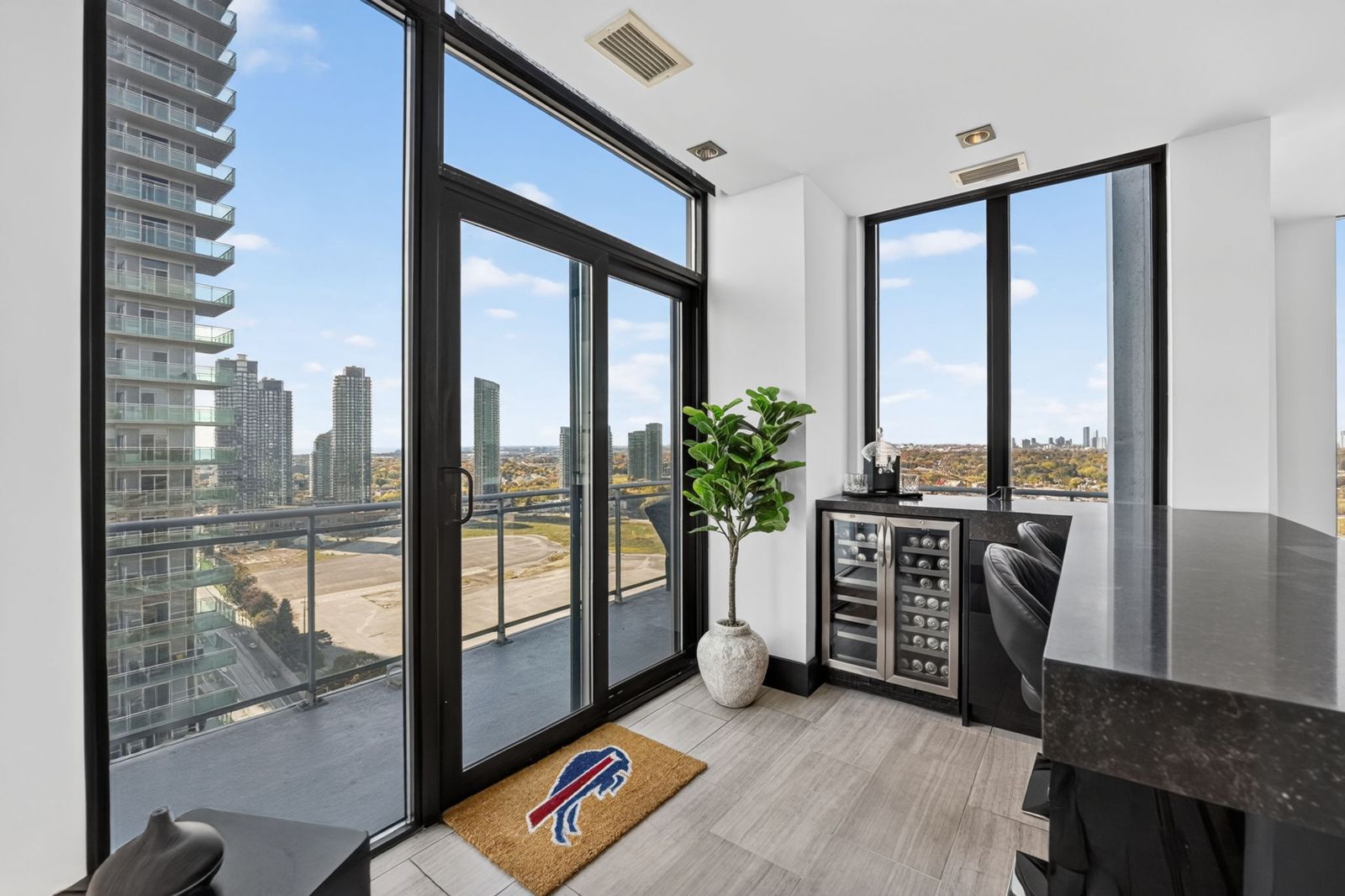
What do buyers take away from each room, staged or empty?
| Room | What the empty photo says | What the staged photo says |
|---|---|---|
| Living room | A rectangle with a window. Hard to tell if a sectional fits or where the TV goes. | A sofa facing a focal point and a rug that shows how much floor there really is. |
| Primary bedroom | No way to know if a king bed fits with room to walk around it. | A properly scaled bed and nightstands answer that at a glance. |
| Dining area | Could be a dining room, a desk spot or wasted space. | A table and chairs show it seats a family. |
| Flex room or den | An unclear use, so it feels like a leftover room. | One clear use (office, nursery, playroom) turns it into a feature. |
| Open-concept condo | One undefined space. | Furniture separates the living, dining and sleeping zones. |
The pattern is the same in every row. Empty photos raise questions, and staged photos answer them. The question in a buyer's head moves from "how big is this?" to "do I like it?", and that second question is the one you want them asking before they book a showing.
The primary bedroom deserves a special mention. It's one of the rooms buyers are most likely to cross a listing off over, because bed size is a practical deal-breaker. A staged bedroom settles that in one frame.
Which rooms should you stage, and which should stay empty?
Not every room needs furniture. Living rooms, primary bedrooms, dining areas and any room with an unclear purpose get the most from staging. Those are the spaces where buyers are trying to work out fit and function.
Bathrooms, laundry rooms, mudrooms and most kitchens usually don't need it. They sell on finishes, storage and condition rather than furniture, and a clean, bright photo does the job. Basements are a judgment call. A finished rec room with nothing in it can look like a big carpeted box, so staging one key angle often helps. An unfinished basement should stay as it is.
For most vacant homes we'd suggest staging a handful of angles: the main living space, the primary bedroom, the dining area and any flex room. That's usually enough to set the tone for the whole set without making the gallery feel like a showroom. Many agents also include the empty version of one or two rooms beside the staged ones, so buyers can see both.
Does virtual staging mislead buyers?
It shouldn't, and the way we do it is built around that. Good virtual staging shows how a room can be used. It doesn't change what the room is. We place furniture that matches the room's real light, perspective and scale, so the photo stays honest about the size of the space. We don't cover damage, change flooring or wall colours, or squeeze a king bed into a room that only fits a double.
Every staged image we deliver is labelled as virtually staged, so there's no question for buyers about what they're looking at. When they walk in, they should recognise the room from the photos. That's what keeps their trust through the showing, and it's what protects the agent's reputation. Listing boards may have their own disclosure expectations too, so it's worth checking yours.
What if the home isn't empty yet?
A lot of "vacant" listings aren't quite vacant on shoot day. The sellers have moved most things out but left an old recliner, a stack of boxes or a mattress against the wall. Or the home is still lived in, but the furniture is dated or too big for the room and makes it feel cramped.
That's where furniture removal comes in, and it's included with virtual staging at no extra charge. We digitally clear out what's there, then stage the room fresh. It's often the quickest way to get a listing live when the sellers have already moved away or an estate is still being sorted. The same honesty rule applies: we remove furniture and belongings, never features of the house.
Why does the base photography matter so much?
Staging can only work with what the base photo gives it. A vacant room still needs straight verticals, true colour and balanced exposure, or the new furniture will look pasted in. A crooked frame or a blown-out window breaks the illusion faster than any furniture choice.
So we shoot vacant homes with staging in mind as part of our real estate photography. We set camera height and angle so furniture can sit naturally in the frame, leave enough floor in view for a rug and a sofa, and balance the windows so the room doesn't look dark behind the staging. Every photo is edited and colour-corrected at no extra charge before any furniture goes on. Photos are delivered the next business day, you pick the angles you want staged, and the staged versions come back within 24 hours.
A measured floor plan is a good partner here. Staging shows how a room feels, and a plan shows the actual dimensions. On larger vacant homes, an iGuide 3D tour lets buyers walk through the real, empty space after the staged photos have caught their interest. Together, those three answer most of what buyers want to know before they book a showing.
Common questions
How fast does virtual staging come back?
Listing photos are delivered the next business day. Once you pick the angles you want staged, the staged images come back within 24 hours.
Is furniture removal extra?
No. If a room still has furniture or belongings in it, we remove them digitally as part of virtual staging at no extra charge.
Will buyers know the photos are virtually staged?
Yes. Every virtually staged image we deliver is labelled as virtually staged, so buyers always know what they're looking at.
Can I change the furniture style?
Yes. If the style doesn't suit the home or the likely buyer, just let us know and we'll take care of it.
Which rooms should I stage in a vacant home?
Start with the main living area, the primary bedroom, the dining area and any room with an unclear use. Bathrooms, laundry rooms and kitchens usually look fine empty.
Book a shoot for your vacant listing
Virtual staging is $25 per photo and can be added to any booking on our booking page, which is live 24/7 with no account needed. You can also call or text 289-272-9503 and tell us which rooms you're thinking of staging, or read more on our virtual staging page.